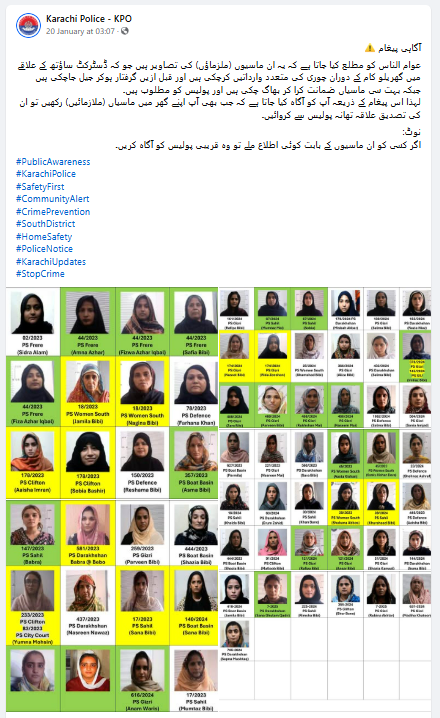
- Karachi police have released a list of 110 maids with criminal records in District South, urging residents to conduct background checks before hiring domestic help.
- The move follows a surge in home thefts and security breaches linked to domestic workers, with some acting as informants for criminal networks.
- Authorities advise residents to verify workers through NADRA and police registration, emphasizing vigilance and responsible hiring to ensure home security.
In an era where urban households increasingly rely on domestic workers for daily chores, security concerns regarding hiring unverified help continue to rise. Reports of theft, fraud, and even violent crimes involving household staff have put Karachi residents on high alert. With many families entrusting their homes and children to domestic workers, the risk of hiring individuals with questionable backgrounds has become a growing concern.
Addressing this issue head-on, Karachi police have released a list of 110 maids with criminal records in District South, urging residents to exercise caution when hiring domestic help. The list, compiled after a thorough investigation, includes individuals involved in theft, burglary, and other offenses. Authorities have advised homeowners to conduct proper background checks before employing house staff, emphasizing the importance of verifying credentials through legal channels.
The move comes in response to a surge in complaints regarding domestic workers engaged in unlawful activities. Many cases have surfaced where unsuspecting homeowners fell victim to well-planned robberies, orchestrated by maids with prior criminal histories. The police have also identified instances where domestic staff acted as informants for criminal networks, putting families at greater risk.
To mitigate the threat, law enforcement officials have urged residents to register their domestic workers with the police and verify their identification through NADRA (National Database and Registration Authority). Additionally, residents are encouraged to use reputable hiring agencies that conduct proper vetting and background screening.
-
Speaking on the matter, a senior police official stated, “We are not discouraging people from hiring domestic help, but we strongly advise them to take necessary precautions. Background verification is essential for the safety of families and their belongings.”For residents of District South, Karachi police have made the list available at local police stations and on digital platforms to ensure easy access. Citizens can also report suspicious activity or seek guidance on verifying domestic workers by reaching out to their nearest police station.
As Karachi continues to grow, ensuring home security is a shared responsibility. While domestic help remains a necessity for many households, a vigilant approach to hiring can prevent potential security breaches. By taking proactive steps, residents can ensure a safer environment for themselves and their families.
Stay informed, stay safe!
Social Issues
From Struggles to Strength: Faiza Siddiqui’s Inspiring Journey of Resilience
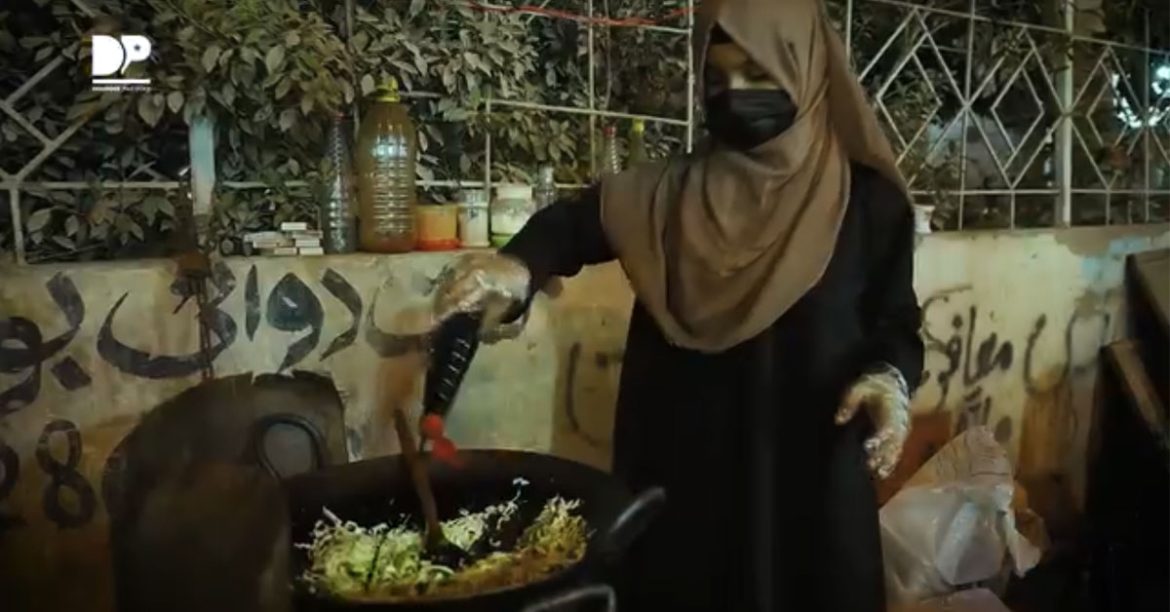
In the bustling streets of Korangi, Karachi, where life moves at an unrelenting pace, Faiza Siddiqui and her small food stall symbolize strength and resilience.
Behind the counter, stirring a sizzling wok filled with chow mein infused with desi flavors stands Faiza— a woman who refused to let fate dictate her life.
A divorced single mother of two, Faiza had every reason to surrender to despair. Society often paints single mothers as helpless, dependent, and vulnerable. But Faiza? She saw adversity as a stepping stone rather than a roadblock. When life knocked her down, she chose to rise—stronger, fiercer, and more determined than ever.
“Complaints are for losers who have accepted defeat. I am a strong woman, and I will change my destiny with my resolve,” she declares, her words carrying the weight of her struggles and the fire of her unwavering spirit.
Her journey wasn’t easy. With no financial support and two young children relying on her, Faiza knew she had to step outside the traditional roles imposed upon women. She needed to earn, stand on her own feet, and carve a future where she and her children could thrive. And so, she set up a small Chinese food stall in the heart of Korangi.
Also Read:
Karachi’s Hottest New Eateries: Where to Dine Right Now!
What makes Faiza’s stall stand out isn’t just her story—it’s her food. With a unique fusion of Chinese and desi flavors, her chow mein has become a local favorite. Alongside it, she sells crispy samosas, spicy rolls, and golden fries, each bite carrying the taste of her perseverance.
But the real magic is in the way she runs her business. With every plate she serves, she’s not just selling food; she’s serving hope, resilience, and a reminder that women can stand tall in the face of hardship. She challenges the norms, defies expectations, and proves that strength isn’t just about physical endurance—it’s about the will to keep going when the odds are stacked against you.
Her children watch her with admiration, learning not just the art of survival, but the power of self-belief. Faiza’s story is not just hers alone; it belongs to every woman who dares to dream beyond the limitations placed upon her.
In a society where women are often told to stay within boundaries, Faiza Siddiqui has drawn her lines—bold, unshaken, and unbreakable. She is serving a plate of chow mein and a lesson of courage, determination, and the art of rewriting one’s destiny.
- Proposed Legislation Against Black Magic: A Senate committee in Pakistan is reviewing an Anti-Black Magic Bill bill to criminalize black magic, aiming to address fraud and exploitation while introducing severe punishments for harmful practices.
- Debate Over Implementation: Advocates argue the law is necessary to protect victims, while critics caution against vague language that could lead to misuse, false accusations, or infringement on personal freedoms.
- Balanced Approach Emphasized: Experts and lawmakers recommend combining punitive measures with public awareness campaigns, strengthened law enforcement, and safeguards to prevent the misuse of the legislation.
In a move that has stirred both curiosity and debate, a Senate committee in Pakistan has taken up the review of a proposed bill aimed at criminalizing the practice of black magic.
The bill, if passed, would introduce stringent punishments for individuals engaging in occult practices, marking a significant step in addressing a controversial issue deeply rooted in cultural and social beliefs.
The proposed legislation has sparked varied reactions across the country. Advocates argue that it is necessary to protect vulnerable individuals who fall prey to exploitation by so-called practitioners of black magic.
Victims often suffer emotional, financial, and even physical harm at the hands of individuals who claim to possess supernatural powers.
Also Read:
Hajj 2025: Pakistani Women Must Obtain Spousal/Parental Consent
However, critics caution that the bill must be carefully crafted to avoid misuse. They warn that vague definitions or overly broad language could lead to false accusations or even a witch-hunt-like scenario. Concerns have also been raised about ensuring the legislation does not infringe upon personal freedoms or religious practices.
During the committee’s initial review, lawmakers discussed the cultural sensitivities surrounding the subject. Many highlighted the prevalence of fraudulent practices that prey on superstition, often targeting marginalized and less-educated communities. A Senator supporting the bill noted, “This is not just about banning black magic; it’s about curbing fraud and exploitation.”
Experts have suggested that alongside punitive measures, the government should also invest in public awareness campaigns to educate citizens about the risks of falling victim to such practices. Strengthening law enforcement to handle complaints responsibly and preventing potential misuse of the law were also emphasized.
If approved, the legislation would empower authorities to investigate and prosecute individuals involved in practices deemed harmful or deceitful. Depending on the severity of the offense, punishments under the proposed bill could range from hefty fines to imprisonment.
While the path forward for the bill remains uncertain, its review signals a growing recognition of the need to address long-standing issues tied to superstition and exploitation. The debate continues to capture public interest, with many awaiting the final verdict on how the government plans to tackle this complex and sensitive matter.
As the Senate deliberates, the question remains: Can the law strike the right balance between curbing harmful practices and respecting cultural diversity?
Share your thoughts with us in the comments below. Stay tuned to WOW360.
Bint e Ahan: Pakistan’s First Female Bike Riding & Self Defense Club
- Empowering Women Through Mobility and Self-Defense: Bint e Ahan, Pakistan’s first female bike-riding club, combines self-defense training and mobility to empower women, having already trained over 2,000 women with a vision to reach one million.
- Shark Tank Pakistan Appearance: Seeking PKR 2 crores for an 8% equity stake, they highlighted barriers faced by women, including safety and transportation, to a national audience, though they did not secure funding.
- Driving Awareness and Change: Despite setbacks, their appearance amplified their mission, inspiring women to embrace independence and redefining societal norms to foster a more inclusive future.
Bint e Ahan, which claims to be Pakistan’s first female bike riding club incorporating self-defense training, recently made an appearance on Shark Tank Pakistan.
The club sought PKR 2 crores in funding for an 8% equity stake, presenting their mission to a panel of investors and a national audience.
During their pitch, Hafa Omer, representing Bint e Ahan, highlighted a crucial issue: while women constitute 52% of Pakistan’s population, their representation in workplaces, parliament, and leadership roles remains minimal.
She stressed the barriers women face when stepping outside their homes, with families often worried about two critical aspects—safety and reliable transportation.
A Mission to Empower Women
Bint e Ahan aims to address these challenges by empowering women through mobility and self-defense. The club has already trained and supported over 2,000 women, helping them gain independence and confidence. With a long-term vision, the organization aspires to scale its operations and train one million women across Pakistan.
Also Read:
Meet Sidra Sajjad – A Pioneer Snail Farmer in Pakistan
Spreading Awareness Despite Setbacks
Though the club was unable to secure funding for Shark Tank Pakistan, their appearance served as a powerful platform to raise awareness about their mission. By introducing their initiative to a wider audience, they showcased the transformative impact of their work and encouraged women across the country to explore new avenues for empowerment.
The Future of Bint e Ahan
As Bint e Ahan continues its journey, their focus remains on breaking barriers for women in Pakistan, fostering independence, and redefining societal norms through innovative solutions. With a strong foundation and a clear vision, the club aims to inspire change and provide tools for a brighter, more inclusive future.
Watch their Shark Tank Pakistan pitch here: Bint e Ahan – Shark Tank Pakistan.
Stay tuned to WOW360.
- FGM (female genital mutilation) is a common but hidden practice among some Pakistani communities with 75-85% of women affected and little public awareness or legal intervention.
- Survivors like Mariam and Aaliya describe enduring emotional and physical scars, compounded by a sense of betrayal and societal silence.
- Experts and advocates stress the importance of community engagement and education to eradicate FGM, emphasizing sensitivity to cultural norms to drive lasting reform.
Seven-year-old Mariam eagerly anticipated a surprise. Dressed in her favorite pink dress with butterfly clips adorning her pigtails, she believed she was heading to a cousin’s birthday celebration.
Instead, her aunt led her to a dilapidated building where a stern-looking woman restrained her on a cold metal table. The searing pain that followed left her emotionally and physically scarred, fracturing her trust in her mother forever.
Now 27, Mariam still carries the weight of that day. “It feels like something vital was taken from me, leaving behind a void,” she says. The emotional aftermath has been equally devastating, making it difficult for her to navigate relationships or express her needs.
Estimates suggest that 75-85% of women in specific communities in Pakistan undergo FGM, often in unhygienic conditions without anesthesia. Despite the prevalence of the practice, it remains shrouded in secrecy, with little public awareness or legal action.
Also Read:
Tan Mann Neel O Neel is Shedding Light on the Sexual Abuse of Men
For survivors like Aaliyah, the experience is an enduring source of trauma. At 26, she recalls the cold table, whispered reassurances, and pain she could neither process nor understand as a child.
“It felt like a nightmare, too cruel to be real,” she says. Betrayal by trusted adults compounds the physical and emotional pain.
Globally, efforts to eradicate FGM are gaining traction, yet some communities cling to the practice, framing it as a religious and cultural necessity. Critics, however, argue that it’s a tool to suppress female sexuality, with the clitoris often labeled as “haram ki boti” (a sinful piece of flesh).
Medically, the consequences of FGM are severe, including reproductive complications, persistent pain, and loss of sexual sensation. “It’s an extremely harmful practice,” says Dr. Asifa Malhan, a gynecologist in Karachi. Yet, Pakistan lacks specific laws to criminalize FGM, and existing provisions under child protection laws remain underutilized.
Efforts to challenge FGM face significant cultural and social barriers. Survivors who speak out risk ostracism, while the practice persists underground. Researchers like Huda Syyed emphasize the need for a compassionate and inclusive approach. “Change must come from within the community,” she says, warning against alienating or vilifying those who practice FGM.
For Aaliyah and Mariam, breaking the silence is essential. “This practice took something from me,” Mariam asserts, “and it ends with me taking it back.”
Source: Aljazeera
Kaantay Na Lagao: 99% of Women are Denied Atleast One Essential Right in their Nikahnama
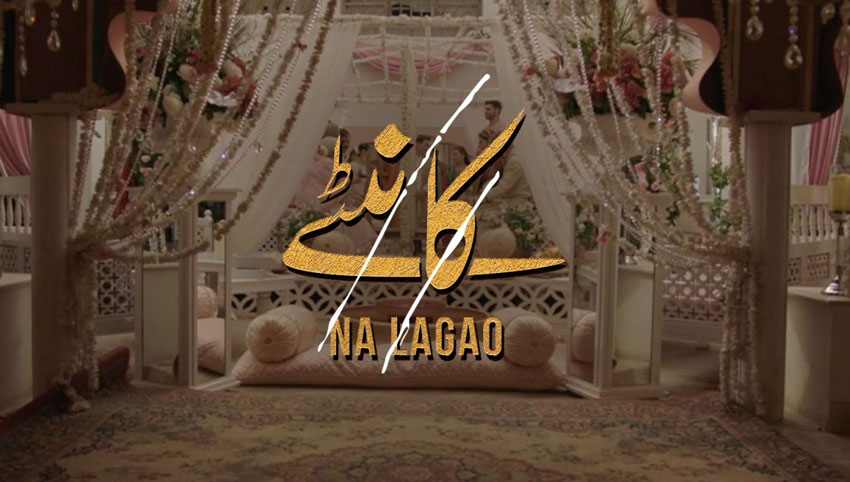
On 17th December 2024, the CFHR launched “Kaantay na Lagao”, a campaign in collaboration with Fahad Hussayn and Mashion, featuring The Unwearable Jewellery Line.
The collection symbolizes thorns (kaantay) in bridal jewelry to reflect the challenges endured by women in marriage when key clauses of their nikahnama are crossed out or left blank.
This year, our campaign aims to highlight the importance of the rights contained within nikahnama, as well as, call out socio-cultural practices that have for decades forbid brides from negotiating their marriage rights and normalized the removal of women’s marriage rights from the nikahnama.
The nikahnama is not just a document that one signs to get married; it is a legal safeguard for a woman’s rights within her marriage and the practice of crossing out or leaving blank clauses such as the special conditions (Clause 17), delegated right to divorce (Clause 18), and maintenance (Clause 20) deprives women of their rights, undermining the nikahnama’s intended role and increasing susceptibility of women to unequal power dynamics in the marriage as a result.
The Diagnostic Study of Nikkahnamas in Punjab (2023) found that of the nikahnamas reviewed, 89% of brides did not have both their DRD & monthly maintenance; 8% had only the right to maintenance but not the DRD; 2% had the DRD but not the monthly maintenance; and only 1% had both rights.
Stay tuned to WOW360.
Also Read:
5 Things Women Should Know Before Signing Their Nikkah Nama
- Breaking the Silence: The Pakistani drama “Tan Mann Neel O Neel” courageously addresses male sexual abuse, a taboo topic often overlooked due to societal norms and toxic masculinity.
- Impactful Storytelling: By portraying the psychological and social struggles of male survivors, the drama fosters empathy, educates viewers, and challenges stigmas, encouraging victims to seek justice and support.
- Catalyst for Change: The show highlights the need for accessible resources and cultural reform, urging society to recognize abuse as a universal issue and inspire collective action against it.
In a society where traditional norms often dictate public discourse, certain issues remain hidden, shrouded in silence, and buried under cultural taboos.
Male sexual abuse is one such topic in Pakistan—a grim reality that has long been overlooked, denied, and ignored.
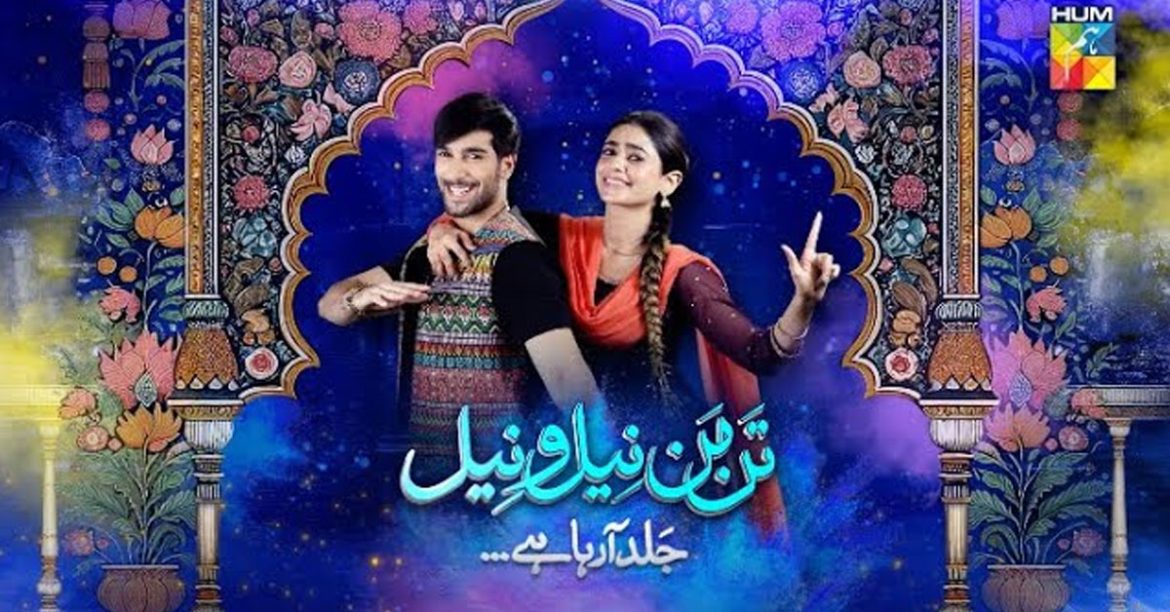
However, the Pakistani drama industry, known for its bold narratives, has taken a courageous step forward with “Tan Mann Neel O Neel”, a drama that bravely addresses the harrowing subject of male sexual abuse.
For decades, conversations surrounding sexual abuse in Pakistan have predominantly centered on women and children, sidelining male survivors. This imbalance is not a reflection of lesser prevalence but rather of deep-seated patriarchal values that stigmatize male victims.
Men are often expected to embody strength and invulnerability, which discourages them from voicing their trauma or seeking help. Silence, unfortunately, becomes their only refuge.
“Tan Mann Neel O Neel” breaks this silence, weaving a compelling narrative that sheds light on the psychological, emotional, and social ramifications of sexual abuse on men. The drama bravely challenges the toxic masculinity ingrained in our culture, which often ridicules or dismisses male victims instead of supporting them.
Through its sensitive portrayal of the protagonist’s journey, the series provides a voice to countless unheard survivors while fostering empathy and understanding among the masses.
The Pakistani drama industry has a long history of tackling sensitive issues—whether it’s domestic violence (“Meri Guriya”), child abuse (“Udaari”), or mental health (“Yeh Dil Mera”). With “Tan Mann Neel O Neel”, it adds another significant feather to its cap. The show’s creators deserve praise for their commitment to highlighting this taboo subject, risking backlash in a conservative society. Their work is a testament to the power of storytelling in initiating difficult conversations and driving social change.
The importance of addressing male sexual abuse cannot be overstated. Awareness is the first step toward combating any societal issue, and dramas like “Tan Mann Neel O Neel” play a vital role. By showcasing the struggles of male survivors, the drama educates viewers and encourages victims to break free from the chains of shame and seek justice. It underscores the urgent need for accessible resources, counseling, and legal protections for male survivors—issues that have long been neglected.
Moreover, the show’s impact extends beyond its storyline. It challenges societal perceptions, urging viewers to recognize that abuse knows no gender. This shift in perspective is crucial for creating an inclusive culture of support and accountability, where all survivors, regardless of gender, feel validated and empowered.
“Tan Mann Neel O Neel” is more than just a drama; it is a brave step toward healing and reform. It challenges us to confront the uncomfortable truths buried within our society and inspires collective action to address them. By bringing male sexual abuse to the forefront, the drama industry is not just entertaining but educating and empowering—proving that art can indeed be a powerful catalyst for change.
More creators, influencers, and policymakers must build on this momentum, amplifying the voices of male survivors and dismantling the taboos that perpetuate their silence. Only by doing so can we hope to create a society that stands firm against abuse in all its forms and offers unwavering support to those who suffer.
Stay tuned to WOW360.
Study Reveals Alarming Rate of Cousin Marriages Between Pakistanis in the UK
- A recent study revealed that a significant number of cousin marriages are common in Pakistani women in Bradford, UK.
- This practice, while rooted in cultural traditions, carries significant health risks for their children.
- The study has sparked a debate in the UK about the potential need for legislation to ban first-cousin marriages, balancing public health concerns with cultural sensitivities.
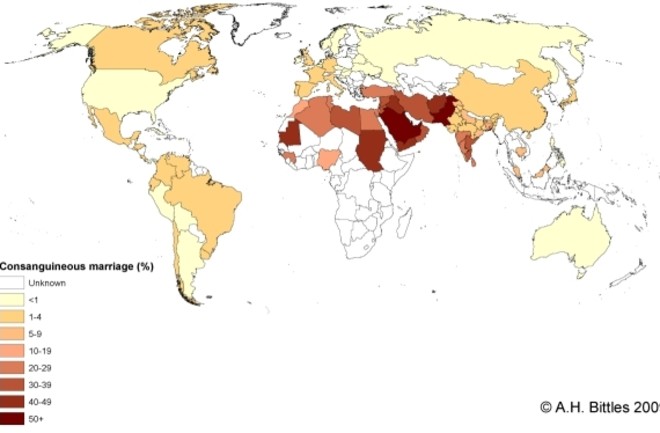
A recent study published by Wellcome Open Research has highlighted a whopping 46% of British Pakistani women in Bradford, UK having children with their cousins. Marriages within the family is common in Muslim communities around the world. The study reveals a huge majority following this practice which is deeply rooted in cultural traditions even though it has potential health risks for the children born out of cousin marriages.
The study, titled Changes in Prevalence and Patterns of Consanguinity in Bradford, UK, reveals that only 37.6% of women from Pakistani backgrounds were unrelated to the father of their child. This statistic has become the talk of the town in the United Kingdom about the health implications of cousin marriages, which are strongly linked to an increased risk of genetic disorders, and whether legislative measures are needed to address the issue.

The Genetic Risk Involved
Cousin marriages, while culturally significant in many communities, pose notable health risks due to the potential for recessive genetic disorders. Such disorders occur when two copies of a defective gene are inherited, an outcome more likely in cousin families. These conditions, which include severe metabolic, neurological, and developmental disorders, can significantly impact a child’s quality of life.
Professor Eamonn Sheridan, a clinical geneticist at the University of Leeds, emphasized the danger, stating,
“The probability of inheriting two copies of a defective gene rises sharply in consanguineous families. This can lead to a range of serious health conditions, many of which are life-limiting or severely disabling.”
Bradford’s demographic profile includes a substantial South Asian population, with individuals of Pakistani descent representing a significant proportion. Cousin marriages in this community often come from cultural practices aimed at preserving family ties and wealth. However, the study also notes a gradual shift among younger generations, who are choosing to look outside the family for their life partners.
Also Read:
Fighting Brain Rot in Pakistan Amongst the Younger Generation
UK to Ban First-Cousin Marriages in UK?
The findings have reached the UK Parliament, sparking a motion to ban first-cousin marriages. Advocates of the ban argue that the practice contributes to public health risks and strains healthcare resources. Richard Holden MP cited examples from other countries like Norway, which have already outlawed cousin marriages.
“It is clear that the practice is not really conducive to modern British society.”
However, the proposed legislation has faced backlash. Independent MP Iqbal Mohamed argued that it unfairly targets specific ethnic groups, risking further discrimination of already vulnerable communities.
“We must respect people’s right to make personal choices while providing them with the information and resources to make informed decisions,” he said.
The NHS (England’s healthcare system) has initiated genetic counselling programs in high-risk areas, offering families personalized assessments and guidance on reproductive health. These efforts are crucial in helping communities understand the risks without undermining their cultural values.
As policymakers navigate this sensitive issue, the Bradford study highlights the urgency of addressing the matter in a manner that is both effective and respectful of cultural diversity.
- The Impact of Social Media and AI on Mental Health: The Oxford Dictionaries’ word of the year, “brain rot,” highlights the global concern over mental and intellectual decline caused by excessive consumption of trivial online content. In Pakistan, the issue is intensified by misinformation, political dynamics, and the rise of AI tools that blur fact and fiction.
- Mental Health Crisis and Dr. Ayesha Mian’s Efforts: Dr. Ayesha Mian, a leading psychiatrist in Pakistan, emphasizes the role of social media in exacerbating anxiety, depression, and eating disorders. She advocates for early intervention, addressing stigma, and improving psychiatric care through initiatives like Pakistan’s first child and adolescent mental health training program.
- Global Trends and Solutions for Digital Overconsumption: Countries like Australia are implementing regulations, such as banning social media use for children under 16, to address mental health concerns. Pakistan must balance freedom with accountability, promote media literacy, and foster critical thinking to mitigate the adverse effects of “brain rot.”
The Oxford Dictionaries’ word of the year for 2024, “brain rot,” encapsulates the growing concerns around mental and intellectual decline caused by excessive consumption of trivial online content.
In Pakistan, the issue carries its complexities, fueled by disinformation, political dynamics, and the advent of advanced technologies like Artificial Intelligence.
The Role of Social Media in Pakistan
Social media is an integral part of daily life worldwide, including in Pakistan, where it serves as a platform for communication, education, and entertainment.
However, the darker side of this digital landscape includes the spread of misinformation, fake news, and propaganda. The introduction of AI tools has further blurred the lines between fact and fiction, making it increasingly difficult to discern authenticity online.
Despite its influence, the regulation of social media remains a contentious topic in Pakistan. While authorities have enforced measures to manage content and maintain order, these actions often raise concerns about censorship and digital freedoms.
Also Read:
Here’s How Nighat Dad Turned Her Pain into Power
Mental Health and Social Media
Social media’s impact on mental health is a growing concern. The term brain rot highlights how overexposure to low-quality, unchallenging content can deteriorate intellectual and emotional well-being. Analysts suggest that platforms empower misinformation and encourage shallow thinking, fostering a culture where trivial content dominates.
Research in the United States has linked increased digital media consumption to declining IQ scores, as people spend less time engaging in enriching activities like reading and writing. While similar studies in Pakistan are scarce, the observations are universally relevant.
Global Trends and Implications
Countries around the world are grappling with social media’s societal impact. Recently, Australia introduced a law banning children under 16 from using platforms like TikTok, Facebook, and Instagram. This landmark decision, which includes strict penalties for non-compliance, aims to address mental health concerns among young users. The trial of this legislation, beginning in January, will be closely watched as a potential model for other nations.
Jonathan Haidt’s book, The Anxious Generation, further explores these themes, examining how the rise of smartphones and social media has contributed to a surge in mental health issues among teenagers. The book underscores the urgent need to address the toll of “phone-based” childhoods, a concern echoed in societies worldwide, including Pakistan.
The Mental Health Crisis and the Role of Experts Like Dr. Ayesha Mian
Dr. Ayesha Mian, one of Pakistan’s leading psychiatrists specializing in child, adolescent, and adult psychiatry, has been at the forefront of addressing the mental health challenges exacerbated by societal pressures and technological shifts. With only seven specialists in her field across Pakistan and a youth-dominant population (60% under 30), her expertise is critical.
Returning from the U.S. in 2013 as one of only two child psychiatrists in Karachi, she founded Synapse, a leading mental health institute, and served as the Chair and Associate Professor of Psychiatry at Aga Khan University. Her approach challenges the stigma around mental illness by equating it with any other physiological disorder: “When the brain goes into stress, you get anxiety and depression, just as stress on your pancreas might lead to diabetes.”
Also Read:
Dr Ayesha Mian Talks About the Impact of Social Media, Eating Disorders, & Parenting in Nuclear Family Units
During the 8th episode of LEADHers, hosted by Farhat Kapadia Mehboob of WOW360pk, Dr. Mian shed light on COVID’s impact on mental health, highlighting increased anxiety, depression, and eating disorders among youth and women. She emphasized how social media, particularly platforms like Instagram, has fueled these issues, creating a toxic cycle of comparison, unattainable beauty standards, and compulsive behaviors that contribute to brain rot.
The “brain rot” concept extends beyond digital distractions to encompass broader social and cultural failings—highlighted by Dr. Mian’s observations of Pakistan’s nuclear family dynamic. With diminished support structures and an over-reliance on technology, youth are left vulnerable to anxiety, depression, and identity crises. She stressed that parents must adapt to this shift by being more present and attentive, addressing children’s emotional growth, and recognizing warning signs such as personality changes, social withdrawal, or academic decline.
Her introduction of Pakistan’s first child and adolescent mental health training program aims to address the critical gap in psychiatric care. Currently, there’s a decade-long delay between the onset of symptoms and the receipt of proper care, which compounds the issue. Dr. Mian believes early intervention, combined with therapy, co-curricular activities, and sometimes medication, can combat the growing mental health crisis exacerbated by brain rot.
This perspective reinforces the need for systemic changes to promote mental well-being, prevent the long-term effects of technological overconsumption, and challenge societal stigmas surrounding mental health.
Moving Forward
As digital platforms continue to evolve, the challenge lies in harnessing their benefits while mitigating their adverse effects. For Pakistan, this means fostering critical thinking, encouraging media literacy, and implementing thoughtful regulations that balance freedom with accountability. Addressing the phenomenon of brain rot requires a collective effort to prioritize meaningful content and create a healthier digital environment.
By learning from global initiatives and engaging in open dialogue, Pakistan can take proactive steps to safeguard the mental health and intellectual integrity of its citizens in the digital age.
Stay tuned to WOW360.
- Personal Journey and Advocacy: Nighat Dad, raised in a conservative family in Pakistan, overcame early challenges of domestic abuse and societal restrictions, using her legal education to fight for her rights and custody of her child, which inspired her advocacy for women’s empowerment.
- Digital Rights Foundation: In 2012, she founded the Digital Rights Foundation (DRF) to bridge the digital divide and combat online abuse. DRF has helped over 16,000 victims through its cyber-harassment helpline and provides free legal support, achieving significant victories for women’s rights in Pakistan.
- Global Tech Leadership: Dad now influences global tech policies as a member of the UN’s AI Advisory Board and Meta’s Oversight Board, advocating for inclusive technology governance and emphasizing the importance of amplifying voices from the Global South.
Nighat Dad grew up in a conservative family in Jhang, a city in Pakistan’s Punjab province. The prospect of early marriage loomed over her childhood.
Her parents were committed to ensuring their children received an education despite their traditional values. To support this, they relocated the family to Karachi, allowing Dad to complete her bachelor’s degree.
Reflecting on her upbringing, she recalls, “I never imagined I would work or be independent. We were always taught to seek permission for everything.”
Hoping to delay marriage, Dad pursued a master’s degree in law. However, soon after completing her studies, she learned that her parents had arranged her marriage. Initially, she accepted her new life of domestic responsibilities in a lower-middle-class household, but this changed when the abuse began.
“My legal education reminded me that this was unacceptable,” she says. “Our laws and constitution protect me—why was I enduring this? Why was I allowing it?”
With her family’s support, Dad left her husband and filed for divorce. However, years of abuse had left her grappling with low confidence and no professional experience. “I had no idea how challenging life would be for a divorced woman with a child in our society,” she shares.
Also Read:
Pakistan Launches Harassment Complaint App for Women
When her ex-husband initiated a custody battle for their two-month-old baby, Dad faced financial difficulties. Her father’s encouragement was a turning point: “He reminded me that I was a lawyer too.”
Using her legal knowledge, Dad fought for and won custody of her child. This experience opened her eyes to the systemic violence and injustice many women in Pakistan endure. What stood out to her the most, however, was the stark digital divide.
Growing up, Dad was denied access to a personal cell phone, and even when she eventually acquired one, her husband used it to monitor her calls and messages. Despite having a potential escape tool, societal and marital restrictions rendered it inaccessible.
“Living through that made me realize the rapid evolution of technology and its potential to create virtual safe spaces for marginalized communities,” she explains. “It also reinforced the importance of challenging norms that restrict women’s access to technology.”
In 2012, Dad founded the Digital Rights Foundation (DRF), a non-profit organization dedicated to bridging the digital divide and combating online abuse targeting women and gender minorities in Pakistan. Initially, the organization focused on providing digital safety advice and emotional support to women.
By 2016, the DRF launched a cyber-harassment helpline, coinciding with Pakistan’s enactment of cybercrime legislation. To date, the helpline has managed over 16,000 cases nationwide. “There were times when the police would share our contact information with victims seeking reliable help,” she notes.
The DRF’s in-house legal team provides free legal advice, assisting women in filing and pursuing complaints against their abusers. This support has led to several successful outcomes, including the arrest and prosecution of offenders. One significant case in 2021 saw the DRF help journalist Asma Shirazi win a legal battle against a coordinated online trolling campaign and false reports aired by ARY News.
Also Read:
Here’s How Women are Countering Sexual Harassment with Safety Pins
“If an organization like the DRF had existed during my struggles, I would have felt so much less isolated,” Dad reflects. “Having access to legal guidance and emotional support could have spared me from the deep depression I experienced.”
Today, Dad plays a pivotal role in shaping global discussions on technology policy. She serves on the United Nations’ AI Advisory Board and was a founding member of Meta’s Oversight Board, which allows users to challenge the platform’s decisions.
“The emerging tech landscape is dominated by Western corporations and governments, sidelining civil society organizations from the Global South,” she explains. “This creates a persistent gap in global AI governance, leaving us perpetually behind. It’s crucial to remind those in power that inclusivity is essential for meaningful progress—they cannot succeed alone.”
Stay tuned to WOW360.